
Digital transformation is reshaping the architecture, engineering and environmental consultancy (AEC) industry, with artificial intelligence driving smarter, more efficient and sustainable project delivery. Leading AEC firms are adopting technologies such as digital twins, smart buildings and AI-driven building information modeling (BIM) to enhance asset management, optimize performance and improve collaboration. This new technology-forward approach — including innovations like machine learning, automated project management and advanced data analytics — empowers AEC professionals to create a more resilient, intelligent and environmentally responsible built environment.
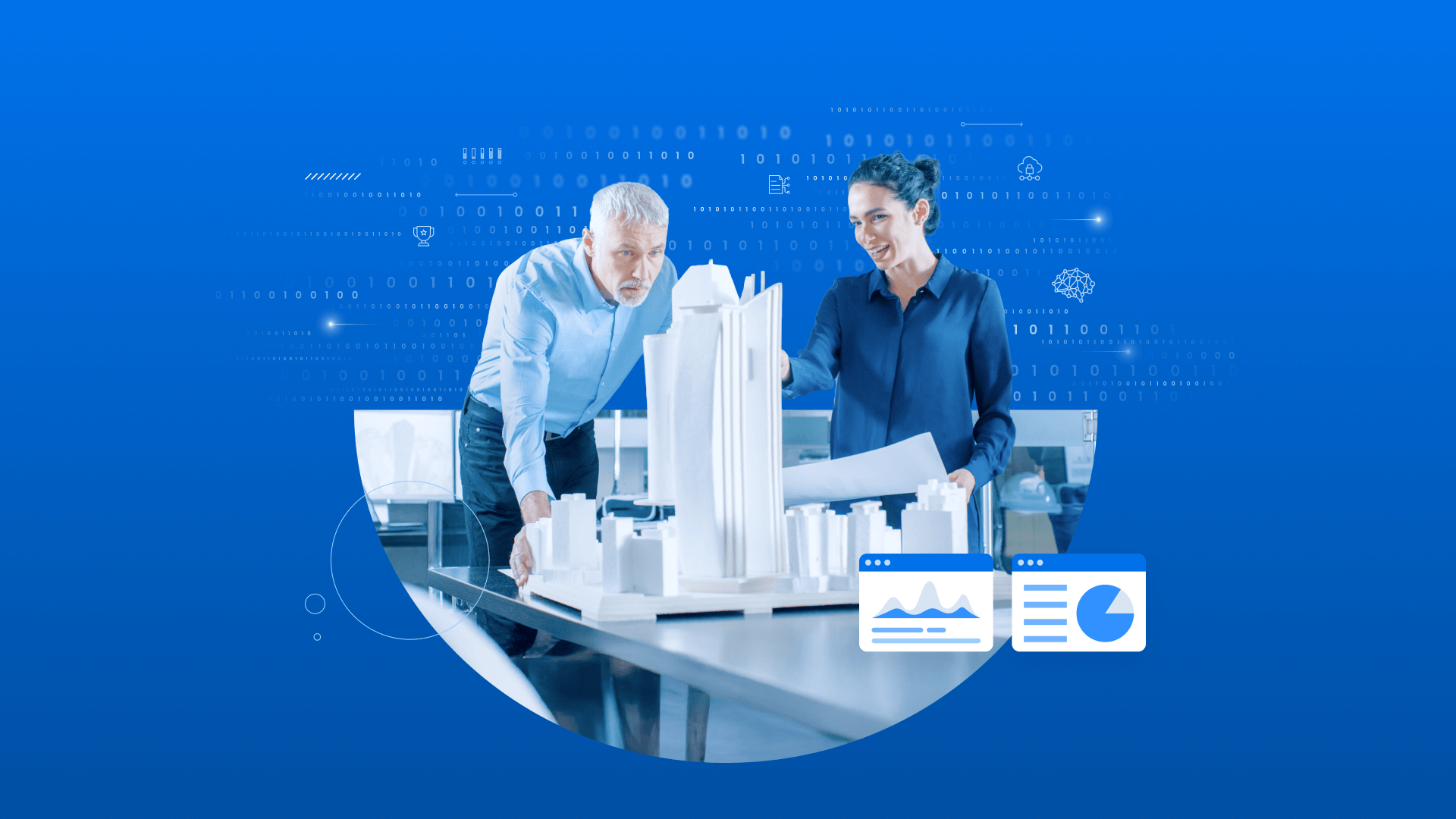
AEC in the Age of Digital Transformation
Digital transformation and artificial intelligence (AI) are driving a new era of efficiency, innovation, and sustainability in the architecture, engineering and environmental consultancy (AEC) industry. These technologies present new opportunities for firms to optimize projects, address environmental concerns and shape the built environment of tomorrow. Here are seven technology trends fueling smarter design, facilitating collaboration and changing management practices:
- Digital Twin Technology
A digital twin is a virtual replica that uses data from sensors, building information modeling (BIM), and real-time analytics to simulate scenarios, predict maintenance needs and optimize performance before implementation begins. Digital twins of buildings or infrastructure systems allow AEC firms to monitor and manage the physical assets remotely.


These [digital twins] really help you monitor and maintain your assets. If you have a true digital twin — which has the sensors which allow you to collect the data which allows you to see the patterns — you can actually get to agentic AI that triggers maintenance requests and has the maintenance company come to you.
– Tembi Hommes, Global Chief Data Officer, Arup WATCH TEMBI’S EPISODE OF THE TRAILBLAZERS PODCAST ▶


- Smart Buildings
Smart buildings integrate AI and the Internet of Things (IoT) to create responsive, efficient and sustainable environments. AI-powered systems monitor elements such as energy use, indoor air quality and occupancy patterns. Incorporating such systems lets AEC firms deliver spaces that adapt in real time to optimize building operations. - Machine Learning in Architecture
A subset of AI, machine learning employs algorithms that recognize patterns in data and improve over time. Machine learning enables predictive analytics that help teams anticipate challenges, minimize errors and rework, and make evidence-based decisions. The result is more innovative and cost-effective designs that support sustainability and efficiency goals. - Automated Project Management
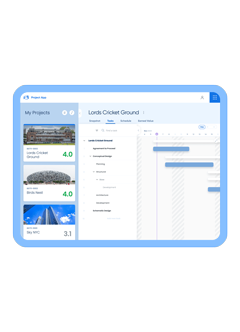
Automated project management tools use AI to allocate resources, schedule tasks and monitor project progress in real time. These platforms help AEC professionals maintain timelines, manage budgets, and coordinate teams across disciplines and locations for faster project delivery and greater client satisfaction.
An issue from a supply chain perspective could have a three-week impact to the project schedule. AI agents working in the background can find alternate suppliers, look at our framework agreements and discover a way to fulfill the order in just over a week. So, we’re able to accept it right in the dashboard, issue an order to our new supplier, automatically adjust our schedule and make sure our stakeholders are aware of what we’ve decided to do.
– Shannon Miller, President of Strategy, Growth & Digital, Jacobs WATCH SHANNON’S AI SUMMIT PRESENTATION ▶
- AI-Driven BIM
When enhanced by AI, BIM models become smarter, identifying design clashes, suggesting optimizations and facilitating collaboration. AI-driven BIM tools offer real-time insights, improve stakeholder engagement and support informed decision-making. This enables project teams to respond more quickly to changes and deliver higher quality outcomes. - Data Analytics for Sustainability
As regulations around environmental responsibility shift and differ by region, advanced data analytics can help firms meet their sustainability goals. AI can analyze vast amounts of environmental data, such as emissions, energy usage and material sourcing, to provide more accurate and timely sustainability insights. This empowers firms to comply with regulations, achieve green certifications, and design projects that minimize environmental impact. - Augmented Reality in Engineering
Augmented reality (AR) is redefining how AEC professionals communicate and collaborate. AR allows stakeholders to visualize and interact with immersive 3D models of buildings and infrastructure before implementation begins. This technology improves client engagement, streamlines approvals and fosters greater collaboration among diverse project teams. By bringing designs to life, AR bridges the gap between concept and reality.
Embracing an Innovative & Sustainable Future
AEC digital transformation is unlocking new levels of efficiency, innovation and sustainability. From digital twins to augmented reality, AI in AEC empowers firms to create a smarter and more resilient built environment for generations to come.
Watch presentations from BST Global’s AI Summit and episodes of our podcast, The Trailblazers, to hear industry leaders share their insights on the importance of AI and digital transformation in the AEC space.